Manufacturing Production Solutions

Identify parts with unique GS1 codes

The classic, linear 1D barcode is about to retire. 2D barcodes, like DataMatrix and QR, are becoming the new standard. These next generation codes have the capacity to provide globally unique identification for any part and can optimally support digital twins and Internet of Things applications.

But how to make sure your part, product, parcel or location code is unique and easy to share? Enter the GS1 standard.

Physical to digital

GS1 identification keys enable the creation of globally unique identifiers, governed by strict management rules, to avoid that two physical entities would share the same digital identity.

A complete GS1 code will include a company prefix, an item or reference number and a mathematically derived digit that validates the code’s integrity. These can be joined by application identifiers, batch numbers, location references and an indicator or extension indicator, depending on the type of code.

Printing GS1 codes

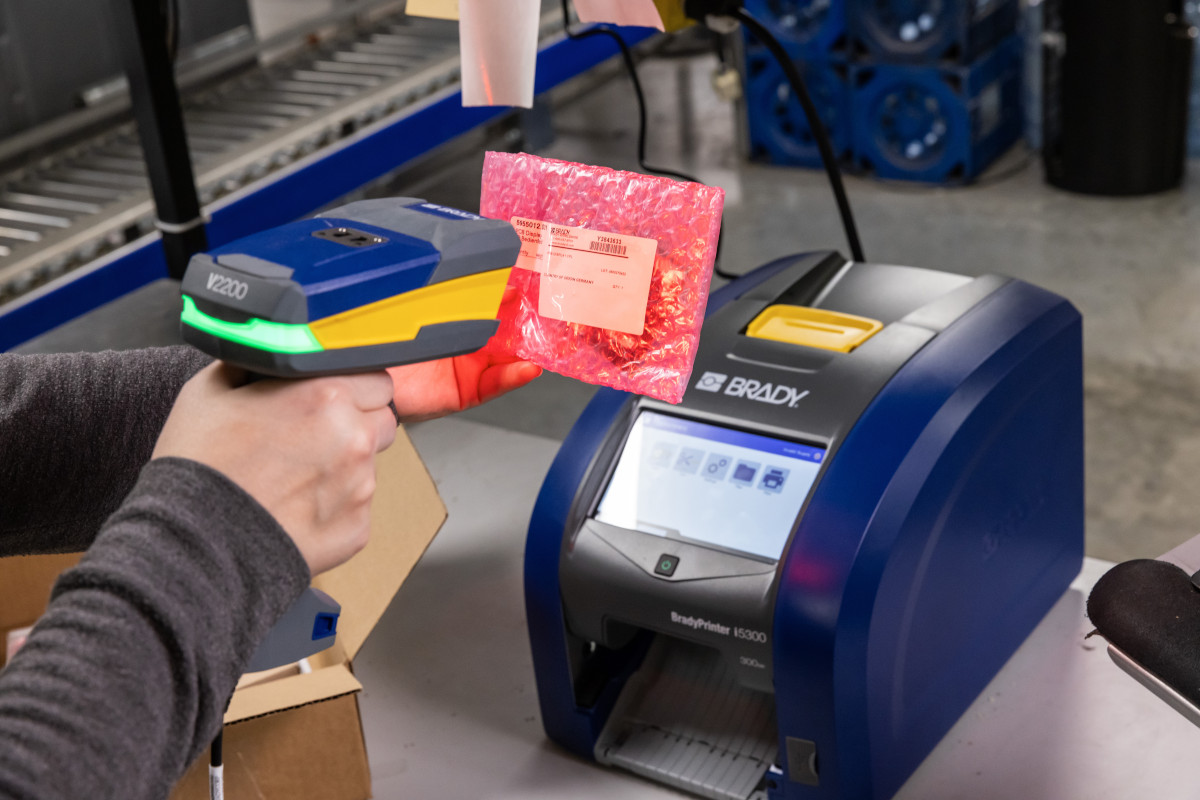
GS1 codes can be serialised and printed as 2D datamatrix codes, QR-codes and others that can hold vastly more data than the traditional 1D barcode. To reliably print these codes in an easy-to-scan resolution, professional label printers from Brady are a great solution.

300 dpi printers can already print 2D codes, 600 dpi printers can print them reliably in smaller sizes, important when item surface and packaging area come at a premium.

DPP compliance

Looking to comply with the European Union’s Digital Product Passport regulations? Get expert information on identification solutions that enable compliance - without slowing down production.

Discover more >>

BRADY Corporation

www.brady.co.uk

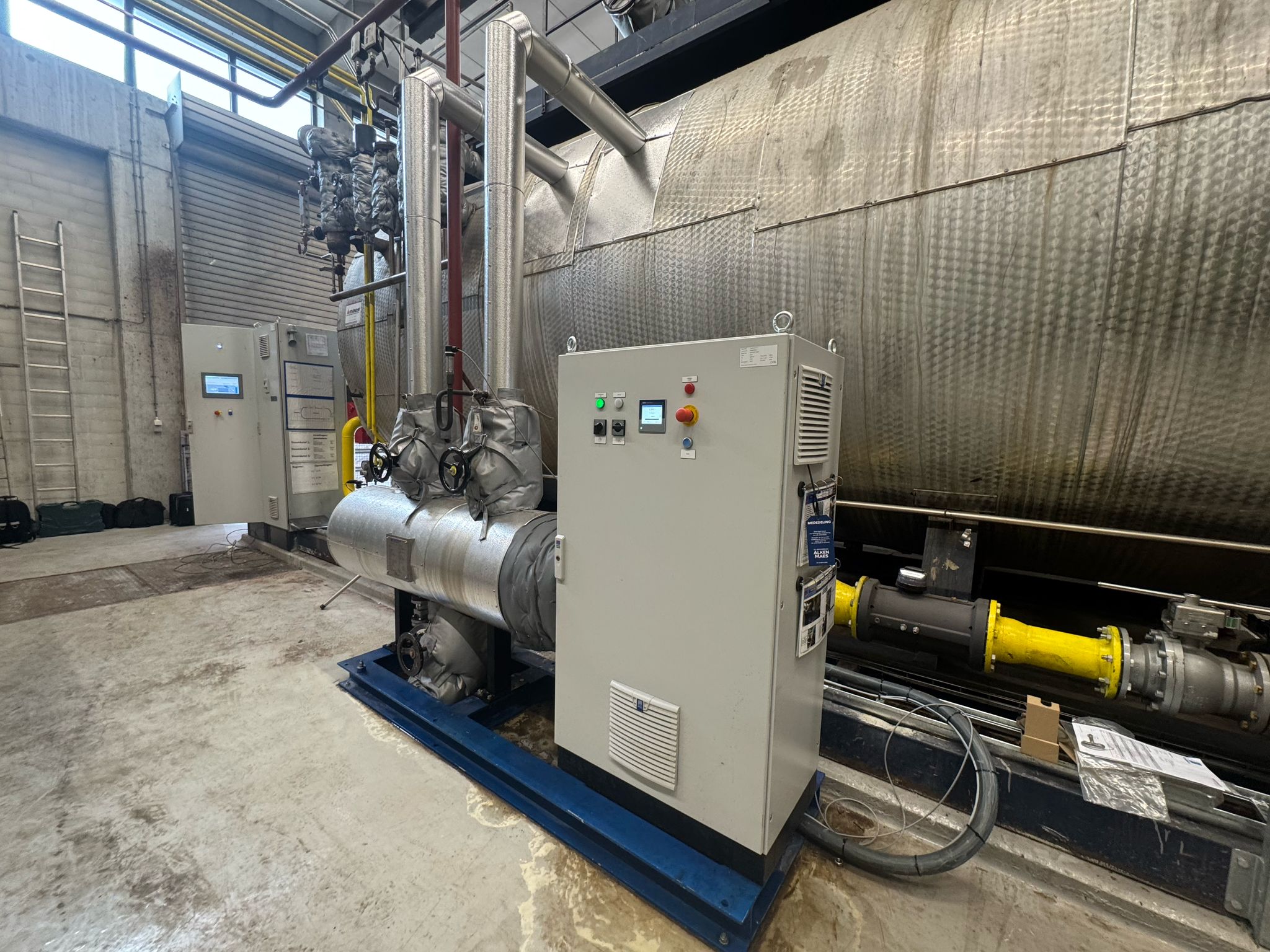
Babcock Wanson UK introduces Hybrid Add-on boiler to electrify steam systems without replacing existing plant

Industrial process heating specialist Babcock Wanson UK has launched a new Hybrid Add-on electric boiler to the UK market, designed to integrate seamlessly with existing gas or oil fired steam boilers, enabling customers to electrify their operations without making existing assets redundant.

Developed by Standard Fasel, part of the Babcock Wanson Group, the modular low-voltage Hybrid Add-on boiler provides an accessible and practical route to electrification. Rather than requiring full boiler replacement, the system connects directly into the existing installation, providing additional steam capacity using electricity while reducing fossil fuel consumption and associated emissions. This approach allows businesses to protect previous capital investment, minimise disruption, and take meaningful steps toward lower-carbon operation.

The Hybrid Add-on has been specifically designed to support long-term future proofing. By allowing operators to switch flexibly between fuel and electricity depending on energy prices and availability, the system supports resilience in an increasingly complex energy landscape. It can also utilise periods of surplus renewable electricity, helping organisations align with sustainability targets while contributing to smarter energy use.

Available in modular 200 kW, 400 kW and 800 kW versions, the compact units can be connected to a standard 400 V electrical supply and feature unlimited turndown, natural circulation with no pumps required, and minimal integration requirements. The design ensures fast, low-risk implementation with limited impact on existing boiler house infrastructure.

The launch builds on Babcock Wanson’s wider strategy of supporting industrial customers through the energy transition with practical, engineered solutions. It complements the company’s range of electric boilers and hybrid technologies, reinforcing its position as a partner for organisations seeking to decarbonise while maintaining operational performance.

“With many industrial sites, the challenge is not a lack of ambition around decarbonisation, but the fear of stranding valuable assets,” said Etienne Fourie, Technical Sales Manager for Babcock Wanson UK’s Process Engineering Division. “The Hybrid Add-on boiler addresses this directly. It enables businesses to electrify their steam systems in a pragmatic way, reducing emissions today while keeping their existing equipment productive and future-ready.”

The new Hybrid Add-on boiler is available in the UK through Babcock Wanson. For more information and a copy of the new brochure, contact Etienne Fourie at Babcock Wanson at efourie@babcock-wanson.com or on + 44 (0)20 8953 7111.

Why cold spray is positioned to become the new standard for aircraft wing skin repair

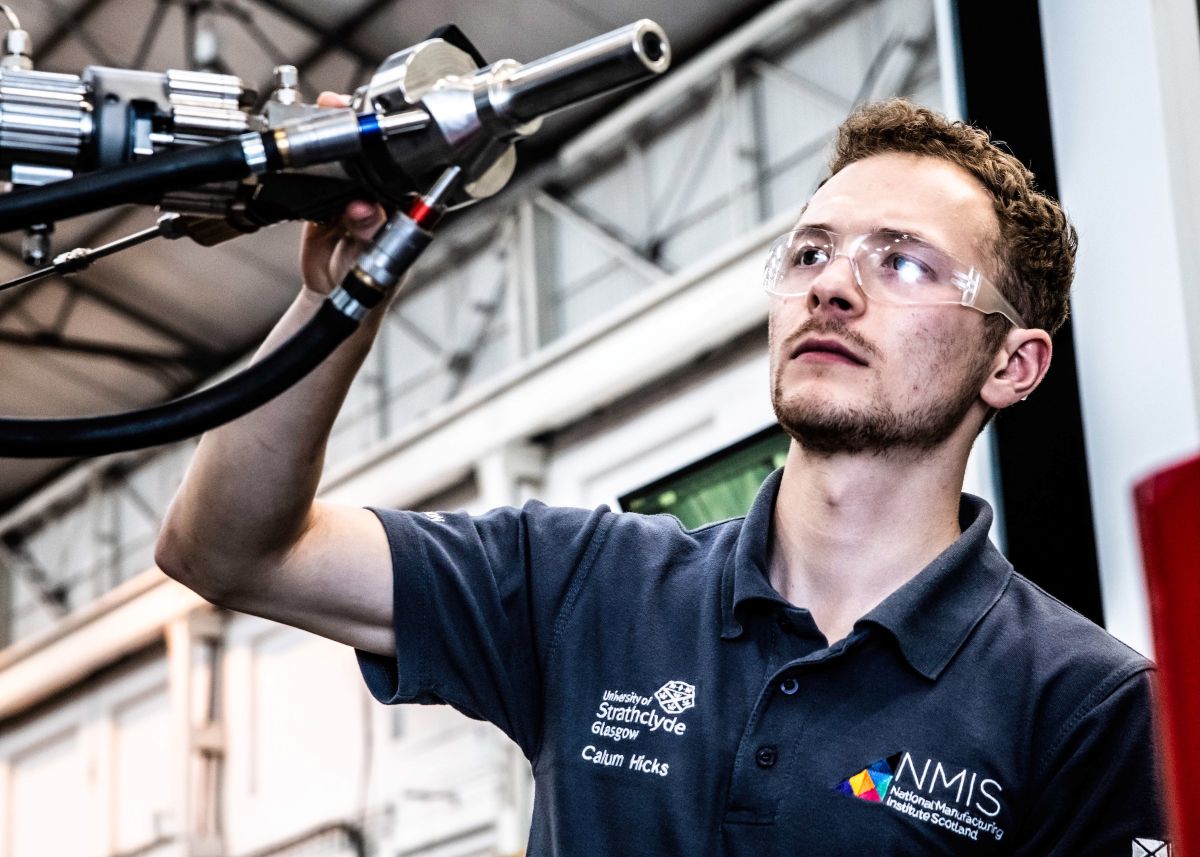
Calum Hicks, senior technologist at the Digital Factory, National Manufacturing Institute Scotland (NMIS)

Aircraft continually operate in demanding environments that can challenge the integrity of wing skins. Corrosion of these components remains one of the most costly and persistent challenges in aviation manufacturing, creating critical maintenance obstacles for the sector. Corrosion drives extensive downtime, requires repeated interventions, and disrupts efficient workflow planning.

Despite the ability of traditional repair methods - such as epoxy filler and doubler plates - to extend aircraft life through material replacement and reinforcement techniques, they also bring about the need for frequent repairs, limiting operational efficiencies. 

Modern aircraft operate in demanding environments and due to the high safety margins required by the industry, they have a very low tolerance for any component damage or degradation. The industry therefore needs a more resilient, durable approach to wing skin restoration - one that can withstand extreme conditions while reducing repeat maintenance and cost.

Addressing this challenge requires a shift away from traditional repair practices and towards advanced manufacturing techniques that can re-shape resilience. Crucially, any new approach must integrate seamlessly into existing MRO operations without introducing excessive disruption or complexity.

Cold spray manufacturing represents that shift.

This additive manufacturing technology – a solid-state process that forms metal parts by firing metallic powder at supersonic speed - offers a significantly more corrosion-resistant repair and longer lasting alternative to epoxy-based methods. Through dimensional restoration, cold spray rebuilds damaged wing skins to their original specifications, by replacing the damaged material with new aluminium alloy. The result is a longer service life and a reduced need for repeat repairs.

Unlike other additive manufacturing processes, cold spray can be applied directly inside hangars thanks to its low operating temperatures and portable functionality. This provides immediate access to damaged wing skins – transforming the engineering that can be carried out inside the maintenance facility. Used this way cold spray has the potential become the new standard for aircraft wing skin repair. 

The cold spray process can treat corrosion-affected areas within hours, significantly outperforming traditional methods that can take days to complete due to curing requirements, underscoring cold spray’s suitability as a core aircraft repair process. 

Cold spray also supports the aviation industry’s transition towards greater sustainability. By restoring the original material with cold spray technology, it allows for components to remain in service for longer, reducing material waste and supporting the sectors transition to a low-carbon economy.

Yet, despite its clear advantages, widespread UK adoption of cold spray is hindered by barriers that require targeted investment as operators need specialised training, and the process must undergo rigorous validation and certification to meet stringent aerospace standards. 

Safety concerns also persist, as cold spray equipment generates extreme noise and involves the handling of hazardous metallic powders. These challenges are reasons to invest in workforce skills and robust safety measures, and to accelerate the UK’s capability in this fast-growing technology.

Countries such as the USA, Canada and Germany are already considered leaders in the development and application of cold spray technology, with extensive use across various manufacturing sectors. Their success highlights the strategic importance of early investment and the opportunity for the UK to strengthen its position in advanced aircraft manufacturing.

The aviation industry is now entering a new era of maintenance and repair. Traditional techniques, that once served the industry well, are no longer appropriate for the requirements of modern aircraft manufacturing where efficiency, sustainability and engineering excellence are essential. Cold spray additive manufacturing offers a future-proof solution that meets these demands. By embracing the technology now, the sector can move beyond outdated practices and transform industry standards for aircraft resilience.

 

LEEA introduces Proficiency Testing

LEEA (Lifting Equipment Engineers Association) is rolling out a new form of assessment called Proficiency Testing. The optional proficiency test, which is conducted in a practical environment, offers a modern, more dynamic form of testing and has been introduced in response to feedback from LEEA members.

This pioneering approach moves from theory-only testing to a real world demonstration of proficiency, with learners applying their knowledge across three key stages:

  • Preparation and planning
  • Process
  • Reporting and justification.

These stages are assessed against equipment in known conditions of repair, with learners demonstrating their true proficiency by passing each stage to achieve the relevant LEEA diploma. The same pass criteria applies across both MCQ and Practical Test routes, ensuring consistency in standards, quality and reliability. Practical Test days are scheduled to give flexibility around when assessment takes place.

Matt Barber, LEEA Director of Membership, commented: “Having listened to our members, we have designed our new Proficiency Testing for those who prefer to demonstrate their skills through hands-on inspection. Not all learners feel at ease with online multiple choice assessments, yet for years this has been the standard – a single format and a single measure, but is that enough in an industry built on real world skill? LEEA’s new Proficiency Testing is a shift in mindset to a learner-centred, inclusive approach to qualification. It challenges industry standards and embraces initiative to create fair and reliable outcomes.”

He added: “Rather than replacing the existing route – the multiple-choice assessment remains available. So this creates choice and provides an inclusive route to qualification by supporting different styles and removing unnecessary barriers.”

For more information and to secure your spot, visit leeaint.com/courses.

Subcategories

Share This

1 2 3 4 5 6 7 8 9 10 11 11